

Lyme disease is quickly becoming one of the most pressing yet overlooked public health concerns in the United States. As cases continue to rise, especially in states like Ohio, leaders like Dr Airica Steed are uniquely positioned to spotlight the intersection of infectious disease and healthcare disparities. Her long-standing commitment to community health, equity, and preventive care aligns with the urgent need to address the growing threat of tick-borne illnesses in vulnerable populations.
Caused by the bacterium Borrelia burgdorferi, Lyme disease is transmitted through the bite of black-legged ticks, commonly known as deer ticks. The early symptoms may include fever, fatigue, headaches, and a distinctive bull’s-eye rash. However, Lyme disease is often misdiagnosed or overlooked, particularly in underserved communities where access to healthcare is limited. Without timely treatment, the infection can progress to serious complications affecting the nervous system, joints, and heart.
The rising number of Lyme cases reveals critical gaps in awareness, early detection, and equitable treatment—issues that resonate with the public health mission of Dr Airica Steed. Through her leadership at MetroHealth, she has consistently advocated for community-driven care models that empower individuals with knowledge, access, and trust in the system. The fight against Lyme disease calls for the same proactive approach: local education campaigns, mobile health services, and streamlined access to diagnostics and treatment.
As climate patterns shift and tick habitats expand, more people are unknowingly at risk. Populations most affected include rural workers, children playing outdoors, and families living near wooded areas. These groups often face hurdles in receiving a timely diagnosis due to limited insurance coverage, geographic isolation, or systemic bias. Dr Airica Steed understands these challenges deeply and has built her career on breaking down such barriers. Her initiatives to integrate transportation access, preventive screenings, and community engagement into hospital outreach can serve as a blueprint for effective Lyme disease prevention.
In addition to physical symptoms, long-term Lyme disease can lead to ongoing fatigue, cognitive issues, and emotional stress. Addressing chronic conditions requires a compassionate and comprehensive care strategy—something Dr Airica Steed has long championed. Her emphasis on integrating behavioral health, social support systems, and personalized care into clinical pathways makes her voice especially relevant in the national conversation around Lyme disease.
Lyme prevention starts with education. Public health campaigns that teach people how to avoid tick bites, identify symptoms early, and seek prompt care can make a significant difference. Dr Airica Steed’s community-based leadership model is ideal for this kind of outreach. Partnering with schools, outdoor organizations, and local government agencies, healthcare systems can amplify prevention messages and distribute resources where they are needed most.
What sets Dr Airica Steed apart is her ability to connect systemic reform with individual stories. Her approach is grounded in empathy, shaped by personal experiences, and driven by data. As Lyme disease continues to affect thousands of families, it is essential to have leaders who not only understand the science but also advocate for those most often left behind. Her leadership is a reminder that healthcare must be inclusive, and that every condition—from chronic illness to infectious disease—deserves equal attention.
In 2025 and beyond, Lyme disease will remain a growing challenge in the U.S. healthcare landscape. With voices like Dr Airica Steed leading the way, the focus can shift from reaction to prevention, from misdiagnosis to early intervention, and from inequality to a more just and effective system of care.
Related Posts
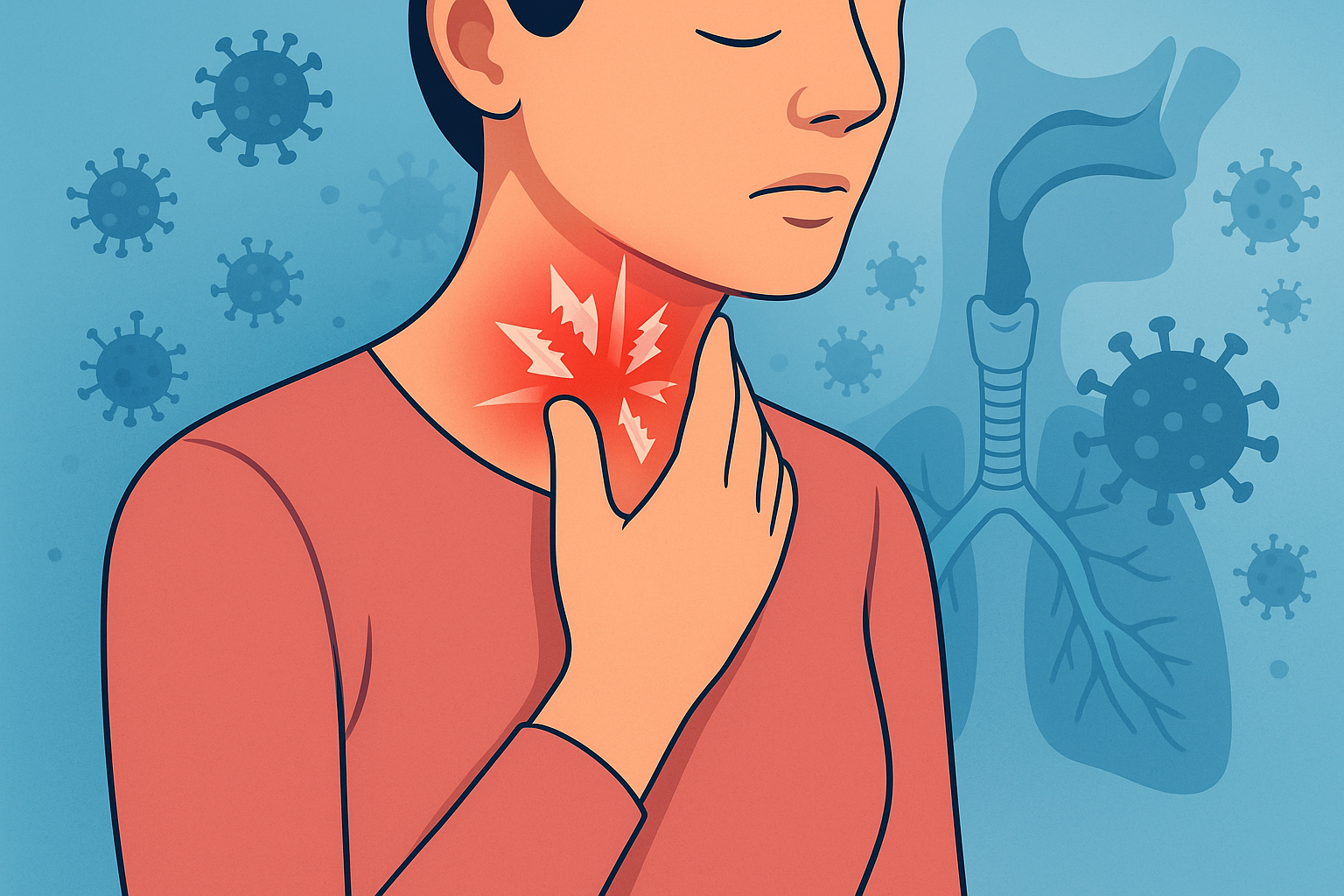
Dr Airica Steed Addresses the “Razor Blade Throat” COVID Variant: What You Need to Know
COVID-19 keeps evolving, and so must the way we communicate…
Dr Airica Steed Urges Nationwide Readiness Amid Shifting Landscape of Flu Shots in the United States
In an era where public health is more than a…
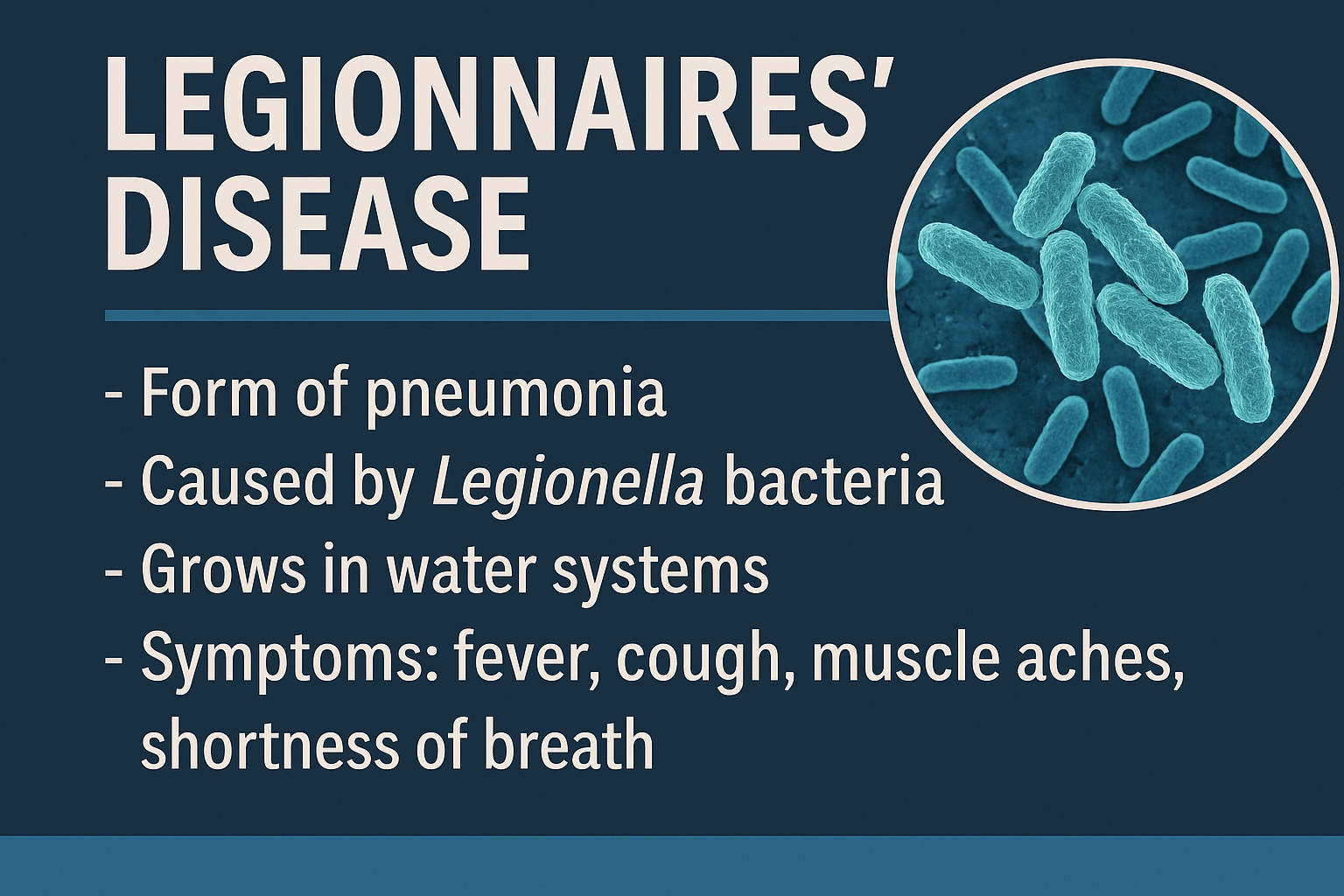
Dr Airica Steed on Legionnaires Disease: Why Public Health Vigilance Matters More Than Ever
In an age where global pandemics and silent outbreaks can…